Security Verification and Offensive-Defensive Practice
Blue Team Manual VIII [Fingerprint Intelligence Edition] Utilizing Hacker Fingerprint Intelligence to Build Advanced Threat Defence Strategies

In the digital era, cybersecurity has become a major challenge. With hacking tactics constantly evolving, traditional defensive measures struggle to cope with the diversity and complexity of modern cyber threats. Under this background, the Hacker Fingerprint Intelligence Library has attracted much attention as an innovative security concept and technology. Its core idea is to draw on criminological fingerprint identification technology to collect and analyze "fingerprints" of hacker activities—including attack patterns, tools, behavioral characteristics, and coding styles—in order to improve cyber defense capabilities and incident response efficiency. This article will delve into its concept, construction methods, application scenarios, and challenges, providing a comprehensive perspective for cybersecurity professionals to help understand and utilize this emerging security technology.
▌Severe Challenges Facing Current Cybersecurity
Today, cybersecurity challenges are severe. Modern hacking techniques are diverse and stealthy, with APTs, zero-day exploit utilization, and supply chain attacks emerging one after another. Some APT groups use social engineering to forge phishing emails, and hackers also hide malicious code with obfuscation techniques such as multi-layer encryption, making traditional detection difficult to cope with.
Attribution of attacks is extremely difficult; attackers utilize VPNs, anonymous networks, botnets, and stepping-stone attacks to hide their identities and locations, increasing the complexity of legal prosecution.
Security resources are limited. In terms of human resources, skilled analysts are scarce and expensive; in terms of technology, advanced equipment and software require heavy investment; and in terms of time, security teams are overwhelmed when facing massive alert logs.
The increase in cross-border cybercrimes brings difficulties such as jurisdiction, intelligence sharing, and scattered attack infrastructure.
APT attacks are particularly complex and dangerous, featuring long-term latency, clear targets, continuous evolution, and multi-stage attacks. Traditional security measures are hard to cope with; for example, "Cozy Bear" once infiltrated multiple organizations and enterprises, lurking for years.
Faced with these challenges, traditional cybersecurity methods are inadequate. The Hacker Fingerprint Intelligence Library has become a new hope for defense, providing a more proactive and intelligent defensive approach by collecting and analyzing the behavioral pattern characteristics of attackers.
▌Construction Ideas and Framework of Hacker Fingerprint Intelligence Library
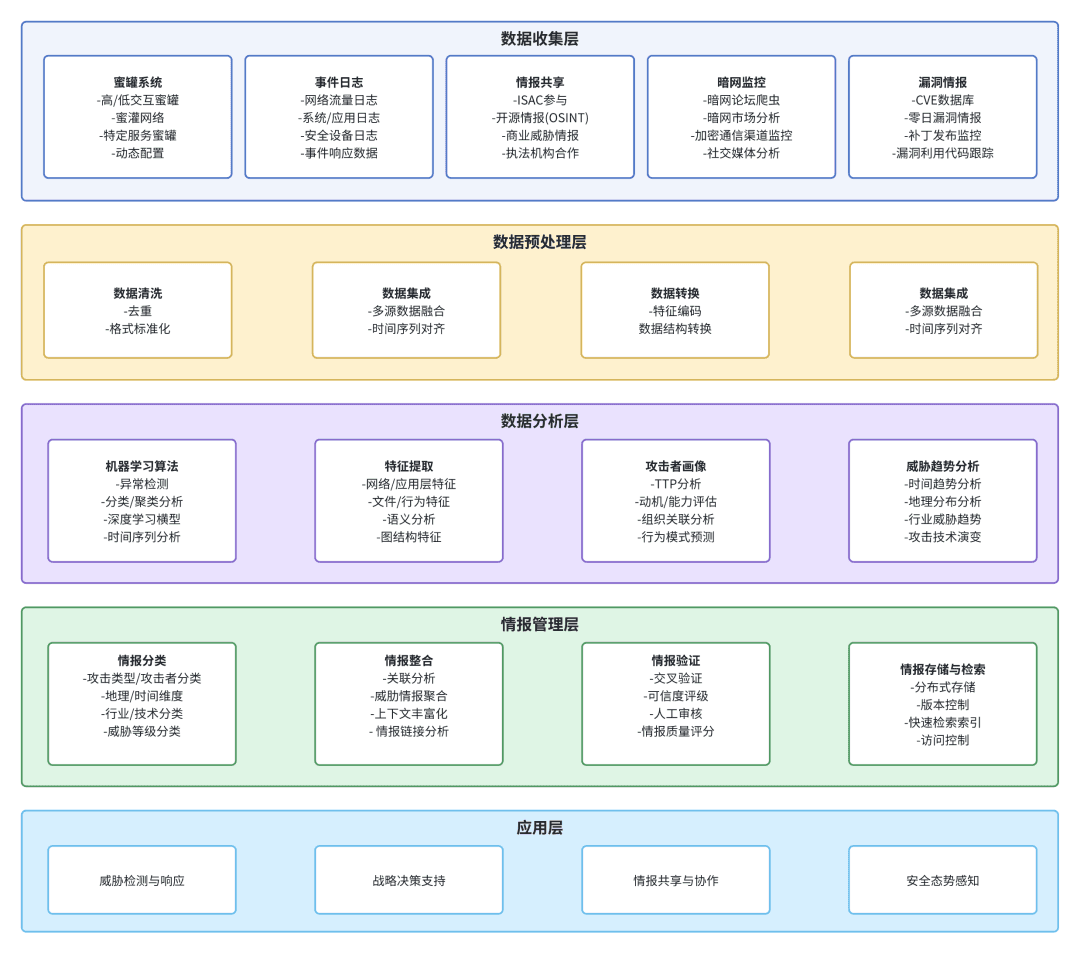
Building an effective hacker fingerprint intelligence library is a complex and systematic process that requires careful planning and execution. The following is a detailed construction approach and framework:
Data Collection
Data collection is the foundation of the intelligence library. We can obtain information on hacker activities from multiple sources. Honeypot systems actively collect attacker behavior data, including low-interaction honeypots simulating simple services, high-interaction honeypots providing complete environments, and distributed honeypot networks acquiring extensive data. Real intrusion event logs, such as network traffic, host, and incident response reports, provide the most authentic fingerprint data. Threat intelligence sharing, covering industry ISACs, national CERTs, and commercial services, expands data sources. Dark web monitoring includes forum crawlers, marketplace monitoring, and social media analysis to understand hacker dynamics.
Data Processing and Analysis
Raw data must be processed and analyzed to be transformed into useful intelligence. Data cleaning and standardization remove irrelevant data, unify formats, and parse unstructured files. Machine learning algorithms use supervised learning to train models with known samples, unsupervised learning to discover anomalous patterns, and deep learning to process large-scale complex data. Feature extraction covers network layer, application layer, behavioral, and tool features. Attacker profiling assesses technical levels, analyzes motivations, and determines resources and behavioral patterns.
Intelligence Integration and Classification
Processed intelligence needs to be structured and organized. It can be classified by attack type, such as DDoS, ransomware attacks, etc.; by attacker, such as independent hackers, organized crime groups, etc.; and it can also analyze attack source locations, target distribution, temporal patterns, and trend evolution from geographical and temporal dimensions.
Intelligence Sharing Mechanism
Establish a secure and efficient sharing mechanism. Standardized formats such as STIX and TAXII ensure compatibility. Secure sharing platforms feature encrypted transmission, identity authentication, etc. Intelligence grading strategies include sensitivity grading, etc. Automated distribution features real-time push, etc. Feedback mechanisms can evaluate intelligence quality, etc. Collaborative analysis platforms provide common analysis tools, etc.
Continuous Update and Verification
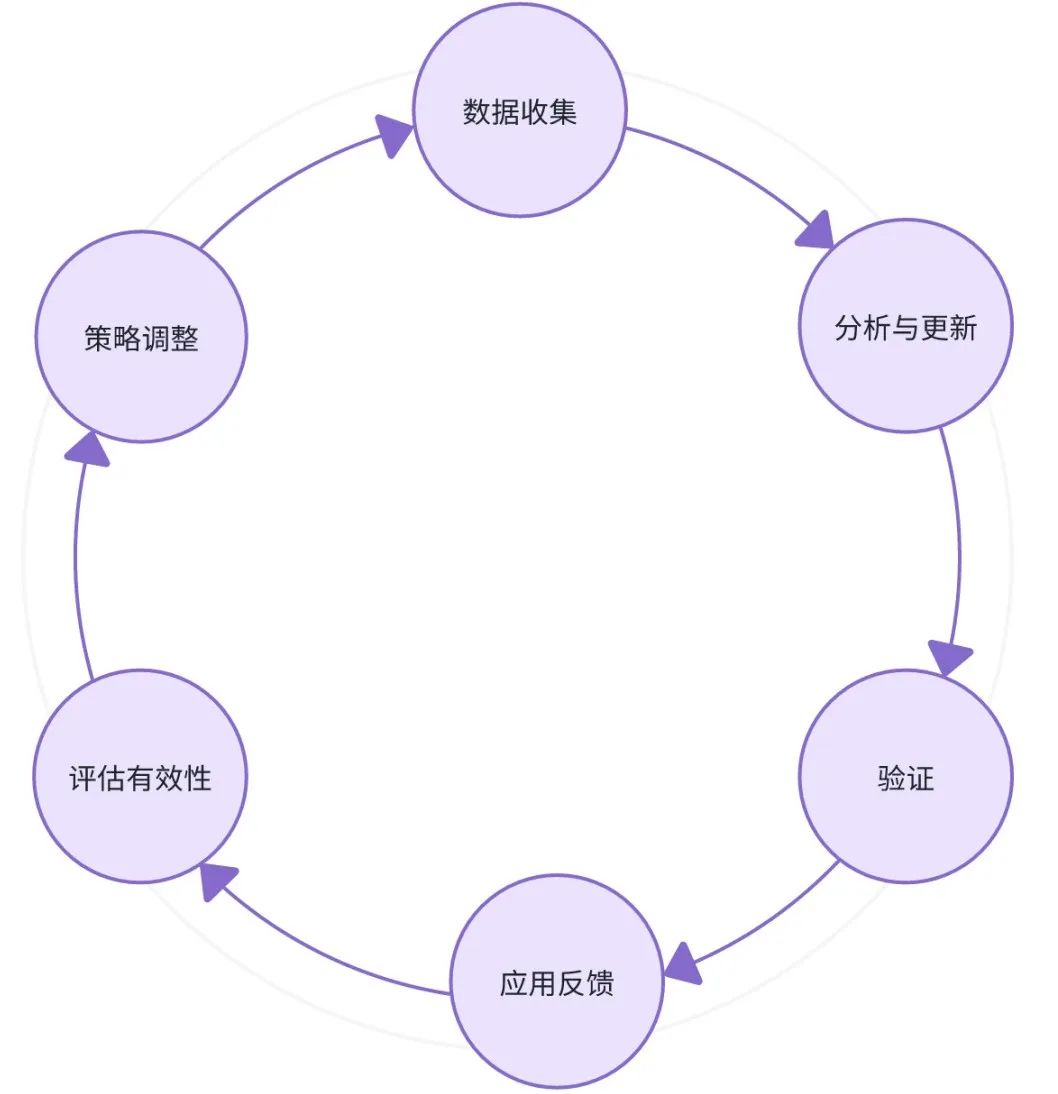
The intelligence library must be continuously updated and verified. Regular audits and updates include automated checks, manual audits, etc. Verification mechanisms feature cross-verification, etc. Feedback loops include collecting user feedback, etc. Adaptive updates focus on threat trends, establish rapid response and predictive analysis mechanisms, and dynamically adjust collection strategies.
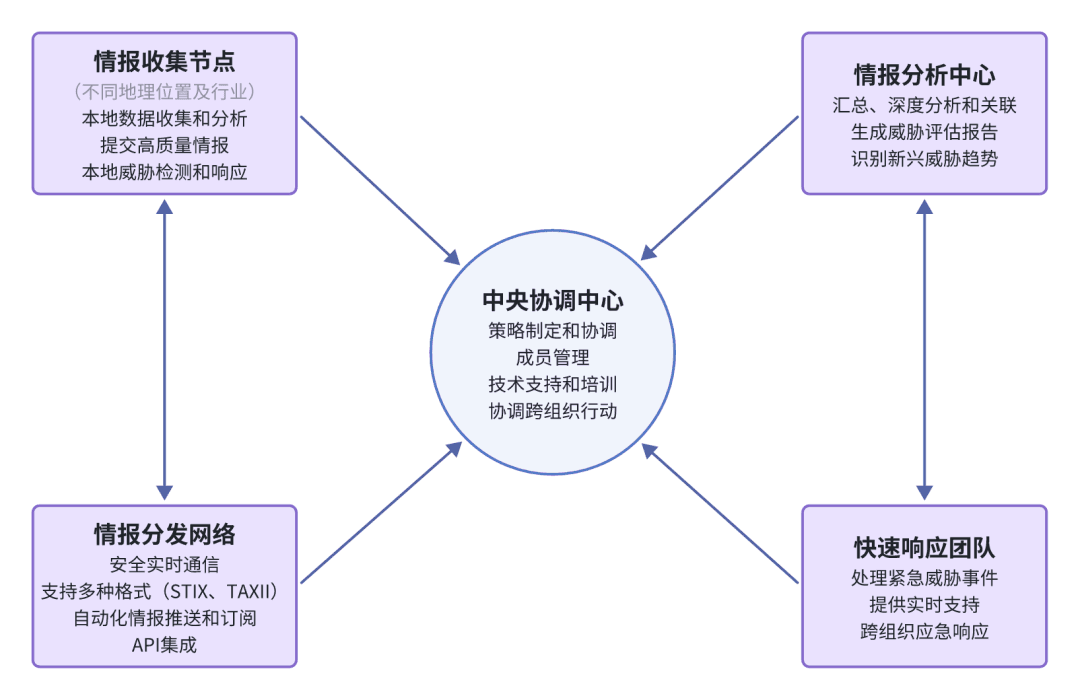
▌Joint Prevention and Control Architecture for Hacker Threat Intelligence
In a complex cybersecurity environment, defense by a single organization is often insufficient. Establishing a cross-organizational and cross-regional joint prevention and control architecture for hacker threat intelligence is crucial. This architecture should include the following key elements:
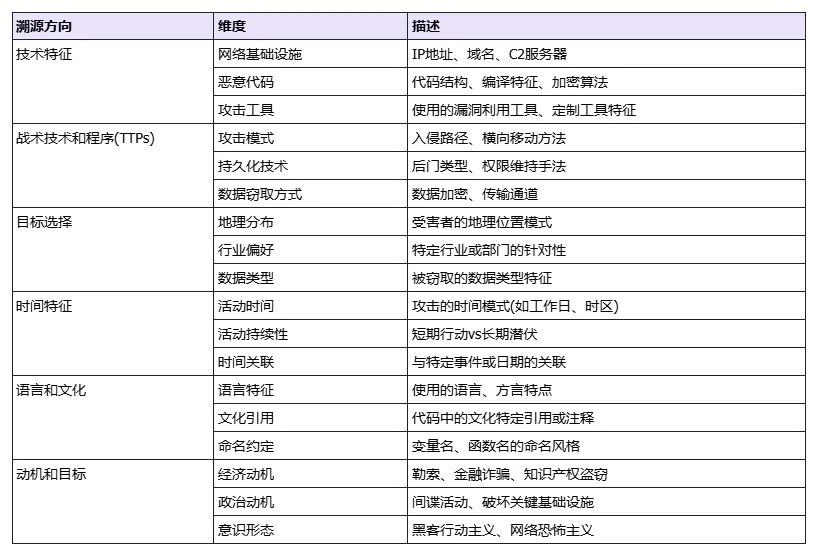
▌Attribution Directions and Dimensions
A key application of the hacker fingerprint intelligence library is to support attack attribution. The attribution process involves multiple directions and dimensions.
▌Technical Details of Fingerprint Acquisition
Working Principle
Fingerprint acquisition is mainly based on the following principles:
Behavioral Analysis: Observing the response patterns of the target system
Feature Extraction: Identifying unique identifiers or attributes
Pattern Matching: Comparing extracted features with known patterns

Fingerprint Formats and Types
Fingerprints are crucial in cybersecurity. They contain key information such as identifiers, feature sets, confidence levels, and timestamps. Identifiers like unique IDs or names give them a unique identity. Feature sets describe the target characteristics. Confidence is a reliability rating, and timestamps ensure the information is up-to-date and accurate.
The fingerprint rule structure is the core. Taking the identification of an Apache Web server as an example, there is clear information such as name, ID, and description, which are identified through rules like HTTP headers and banner information.
In TCP/IP fingerprint features, the initial TTL can identify operating systems and detect anomalous routing. Window size and TCP option ordering also play specific roles, and the DF bit can indicate network types or operating systems. HTTP fingerprint features such as Server headers and X-Powered-By are also very important.
Fingerprint matching algorithms include exact, fuzzy, and machine learning types. When identifying a specific version of an Nginx server, response data is first collected, then key features are extracted, and finally, version information is accurately identified through a matching rule function. In short, fingerprint technology provides a powerful means for cybersecurity protection.
Advanced Fingerprinting Techniques
JA3/JA3S Fingerprints:
JA3 is a method used for SSL/TLS client fingerprinting. It generates a unique hash value by analyzing specific fields in the client's Hello message.
JA3 Calculation Method:
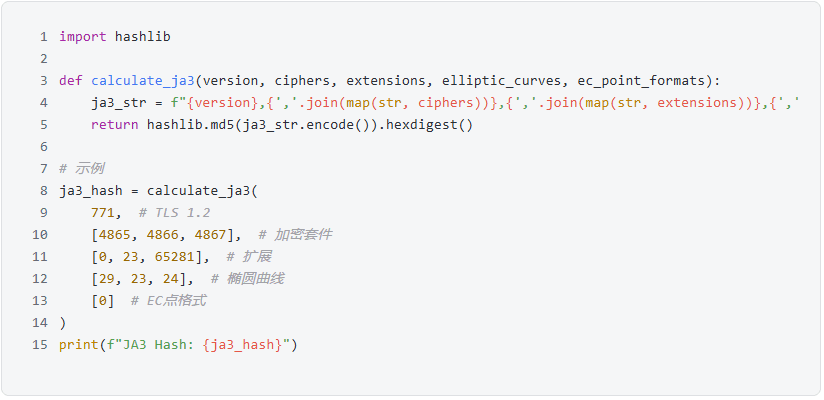
Practical Application: Using JA3 to Detect Abnormal SSL/TLS Clients
Establish a JA3 hash database of known normal clients
Monitor network traffic in real time and calculate the JA3 hash of each SSL/TLS connection
Compare the hash values to discover clients that are not in the whitelist
HASSH Fingerprints:
HASSH is a method used for SSH protocol fingerprinting, similar to JA3.
HASSH Calculation Method:
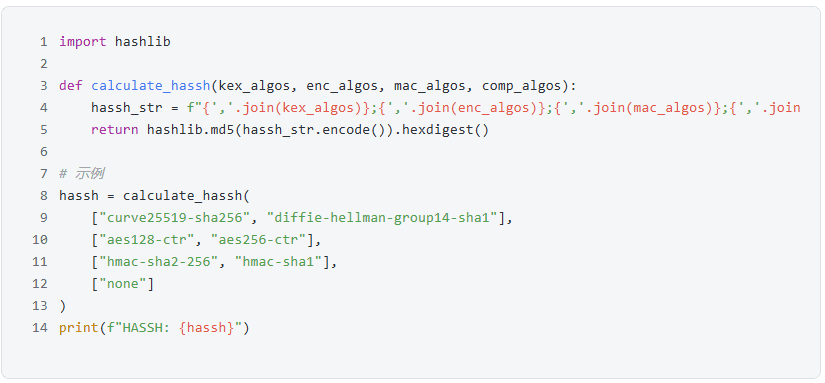
Practical Application: Detecting Non-Standard SSH Clients
Collect the HASSH values of commonly used SSH clients within the enterprise
Monitor SSH connections and calculate HASSH
Compare unknown HASSH values, which may indicate unauthorized SSH clients or tools
Fingerprint Evasion Techniques and Countermeasures
Attackers may use the following techniques to evade fingerprinting:
OS Fingerprint Spoofing:
Technique: Modifying TCP/IP stack parameters
Example: Using iptables to simulate Windows TTL on a Linux system

Countermeasure: Combining multiple features for cross-verification, such as TCP option order, window scale factor, etc.
Application Fingerprint Obfuscation:
Technique: Modifying HTTP headers
Example: Customizing the Server header in Nginx
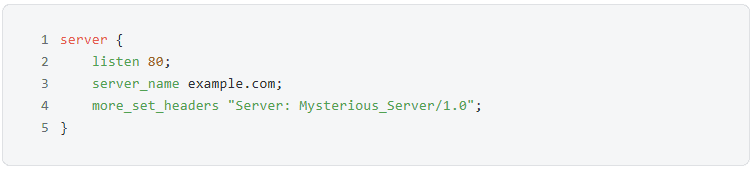
Countermeasure: Deep packet inspection to analyze response content and behavioral characteristics
TLS Fingerprint Spoofing:
Technique: Custom TLS client implementations
Example: Using a custom TLS library to change the parameter order in the client Hello message
Countermeasure: Integrating multi-dimensional analysis such as IP reputation and traffic patterns
▌Utilization of Fingerprint Intelligence Library
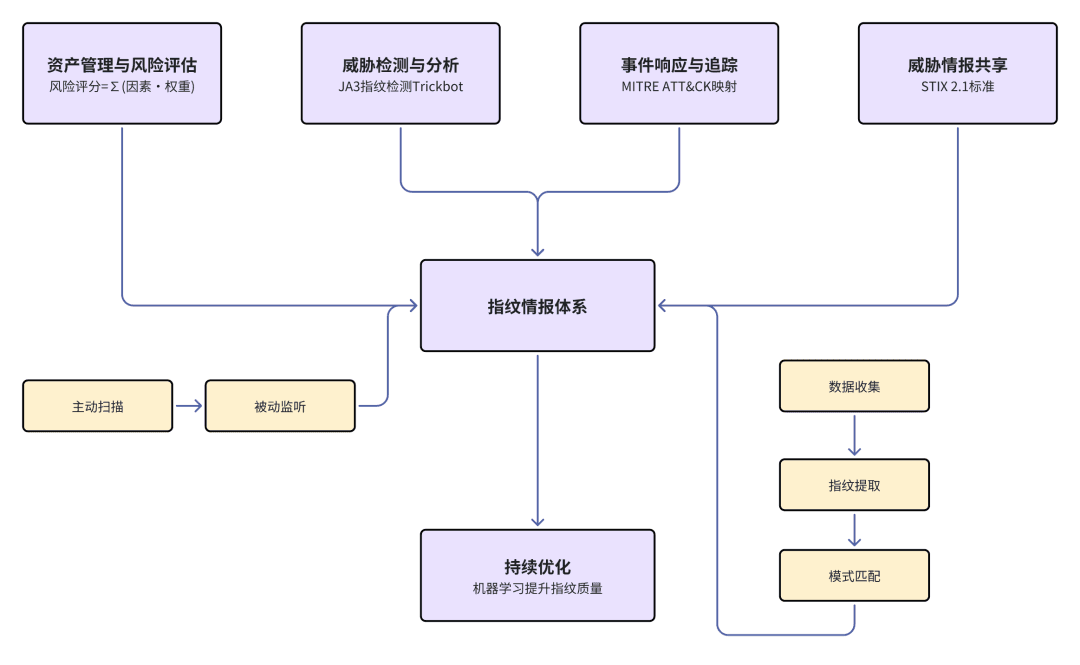
In today's complex cybersecurity environment, the hacker fingerprint intelligence library has become an important tool for safeguarding network security. Asset discovery and identification: active scanning uses Nmap to find open ports and services, passive monitoring relies on Zeek to capture communication fingerprints, and multi-dimensional analysis combines HTTP headers, Banner information, etc., to accurately identify assets. Risk assessment: CVE matching identifies potential vulnerabilities, asset importance rating classifies assets, and risk quantification calculates scores integrating multiple factors. Threat detection and analysis cover anomalous behavior and malware detection. The former includes network traffic baselines, JA3/JA3S fingerprints, etc., while the latter features file hash matching, behavioral characteristic analysis, and machine learning classification. Incident response and tracking utilize asset fingerprint databases and network topology to locate and track, combined with the MITRE ATT&CK framework to analyze attack chains, use graph analysis to visualize paths, and enable attribution. Threat intelligence sharing adopts STIX formats and TAXII protocols, and can join ISACs or develop APIs. Proactive defense includes vulnerability management, security configuration optimization, and deception defense. Continuous optimization improves fingerprint quality and optimizes detection rule libraries.
▌How to Write Fingerprints

In the field of cybersecurity, writing effective fingerprint rules is crucial. Principles of specificity, robustness, efficiency, and maintainability must be followed. Specificity requires that rules can accurately identify the target. Robustness ensures coping with minor changes and version differences. Efficiency means rules should be concise and avoid complexity. Maintainability is achieved through a clear structure and comments. For example, writing a fingerprint rule to identify a specific version of WordPress contains information such as name, ID, description, author, date, and tags. The rule comprehensively utilizes features such as HTTP headers, HTML content, file existence, and file hashes to accurately identify WordPress version 5.8.x. The role of fingerprint technology in cybersecurity is increasingly prominent. Security practitioners deeply understanding its principles, classification, rule writing, and practical applications can more effectively protect digital assets and cope with evolving cyber threats. Continuously updating and optimizing the fingerprint library, and combining it with advanced technologies such as machine learning, is an important development direction for fingerprint identification technology in the future.
▌Conclusion
The digital era poses severe cybersecurity challenges that traditional defenses struggle to cope with. The Hacker Fingerprint Intelligence Library has gained attention; it draws on criminological fingerprint identification technology to collect and analyze "fingerprints" of hacker activities. Construction requires multi-faceted efforts, including data collection, processing and analysis, intelligence integration and classification, sharing mechanisms, and continuous updating and verification. A joint prevention and control architecture should also be established to perform attribution and master fingerprint acquisition technologies. Utilizing the intelligence library allows for asset identification, risk assessment, and other tasks. Writing fingerprint rules must follow principles such as specificity. The Hacker Fingerprint Intelligence Library is an important security tool. Security practitioners should deeply understand and continuously optimize it, combining advanced technologies to cope with cyber threats, improve cyber defense capabilities and incident response efficiency, and safeguard network security.
▶▶▶For more detailed content, please download Blue Team Bible ⑧ [Fingerprint Intelligence Edition] Utilizing Hacker Fingerprint Intelligence to Build an Advanced Threat Defense Strategy to obtain the full report.


