AI Security and Intelligent Operations
AI + Security Verification, unlock a brand-new security verification experience with just one click

▌Security Validation: What Makes It So Difficult?
With the rapid development of AI technology, many industries are undergoing an intelligent transformation, and the cybersecurity sector is no exception. Corporate network security faces increasingly complex threats, making traditional safety validation methods struggle to meet the rapidly evolving security needs. Attack tactics are becoming more diverse and stealthy; manual validation and parsing processes are not only time-consuming but also make it difficult to quickly and accurately capture the core of the attack.
Security teams often have to spend a significant amount of time understanding the intentions behind attack actions, and this time delay can introduce huge security risks to the enterprise. Today, AI has become a crucial technology for enhancing security defense capabilities, and its application in security validation scenarios is particularly urgent.
For instance, when an enterprise's security team is conducting a simulated attack validation, although the validation tool can accurately identify the attack actions and generate detailed results, team members may find that truly understanding the logic and potential threats of these attack actions still requires a substantial amount of time to analyze and organize the validation results one by one. This not only consumes valuable time but also delays the response to subsequent security incidents, impacting overall workflow efficiency.
In this context, the introduction of AI is exceptionally critical. It not only greatly improves the efficiency of security validation but also helps teams quickly interpret complex attack behaviors, ensuring the timeliness of security defenses. For businesses, leveraging AI for security validation is no longer an option, but an urgent necessity for addressing future security threats.
▌SenXun Validation Security LLM: Driving Revolution in Security Validation
To address these challenges, SenXun Validation has taken the lead by building China's first AI-empowered security validation platform, integrating AI technology into the entire security validation process. This does not merely improve the efficiency of information comprehension and simplify operational workflows, but fundamentally enhances the timeliness and effectiveness of security validation.
Through AI empowerment, corporate teams are ensured to not only identify attacks faster and more accurately but also make more timely and precise responses to dynamic threats in a constantly changing threat environment. This allows enterprises to manage complex security validation tasks more efficiently, ensuring that each validation achieves the most ideal outcome and boosting overall security defense capabilities.
1. Intelligent In-depth Attack Analysis: Boosting Understanding Speed and Analytical Accuracy
Pre-incident Rule Explanation: Before validation begins, users can leverage intelligent AI attack analysis to understand every rule in the attack library, enabling better application of these rules. For example, if a security professional has questions regarding the execution payload and commands associated with a specific rule, the AI can provide a detailed explanation of that command.
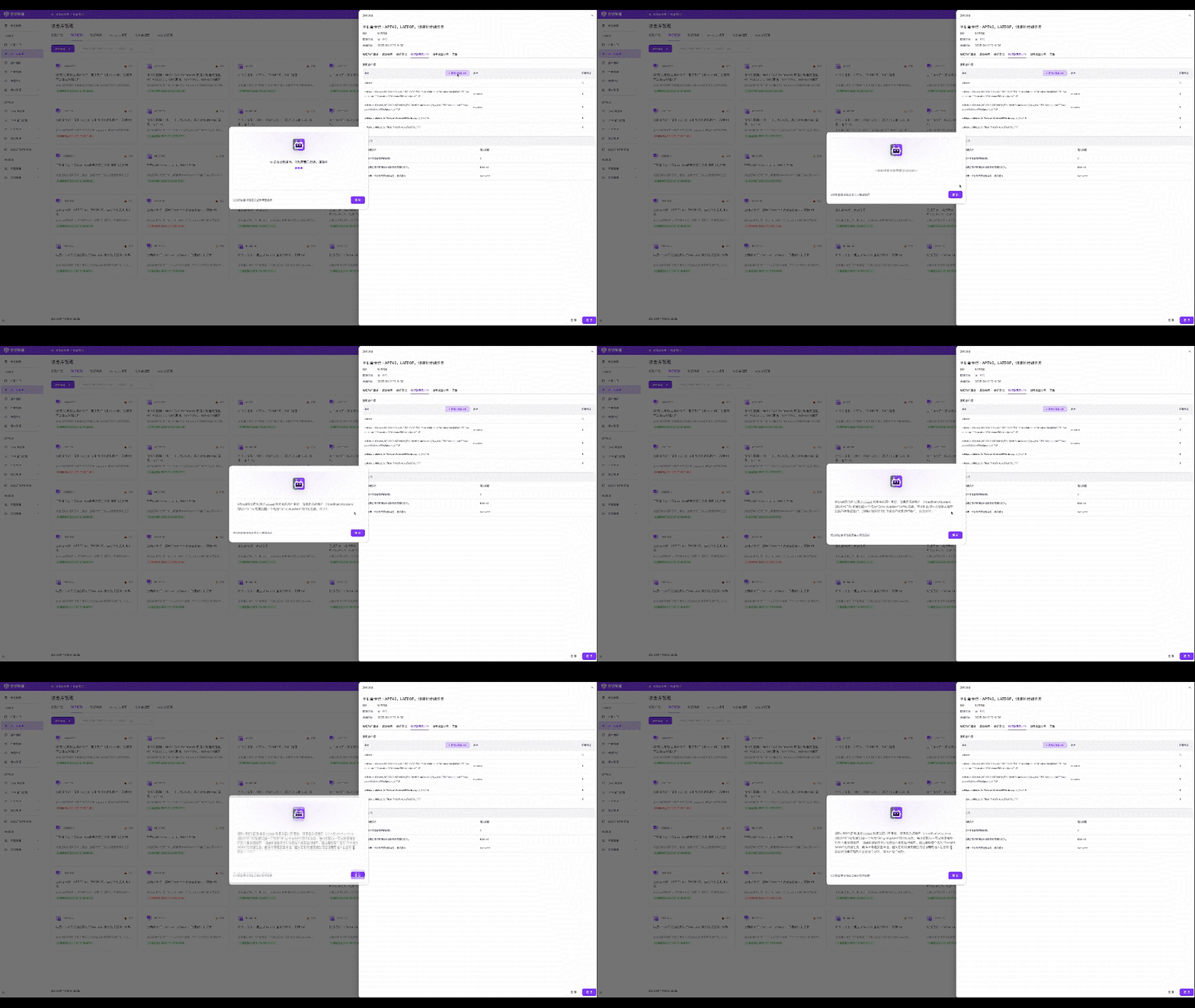
In-transit Log Analysis: During validation scenarios and tasks, the AI Copilot can automatically and intelligently analyze security products. The AI Copilot not only automates the recognition of security product logs but also translates these complex machine languages into concise, easy-to-understand explanations. For instance, by analyzing anomalous traffic logs, the AI Copilot can identify possible attack paths and provide clear analysis of attack intents, helping security personnel quickly grasp potential threats and saving vast amounts of analysis time.
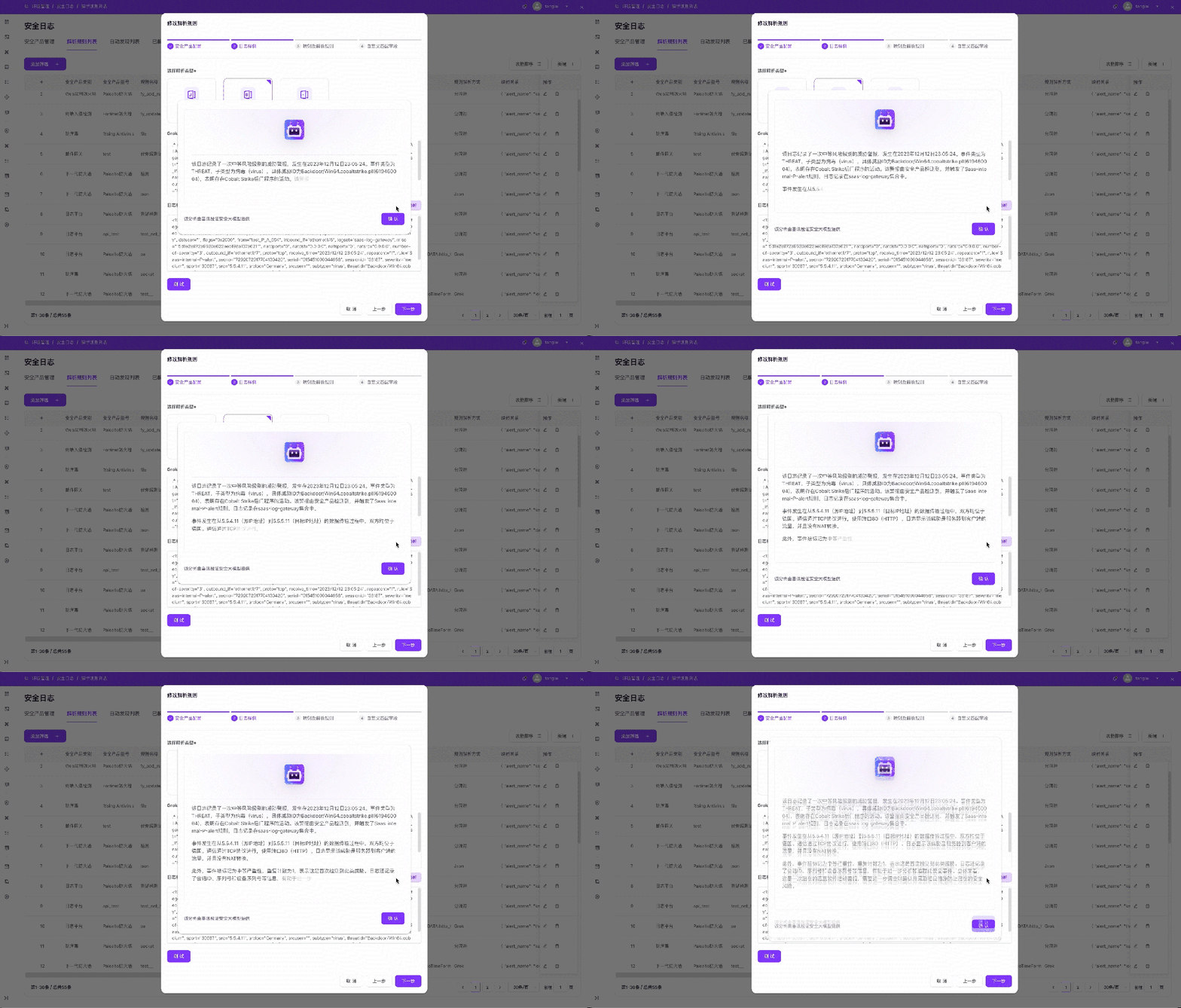
Post-incident Intelligent Parsing: Once validation is complete, the AI Copilot automatically performs a detailed interpretation of the execution results. For example, when the system detects a complex bypass technique attack, the AI Copilot can generate a detailed interpretation, deeply analyzing the risks that this attack behavior could pose, and offering practical defense recommendations. This precise and intuitive analysis approach ensures that teams, regardless of their experience level, can quickly get started and handle various security challenges efficiently.

2. Interactive Chat Window: Making Security Validation Simpler and More Intuitive
To enhance the user experience of the platform, we have designed an easy-to-use instant chat assistant embedded with three core features:
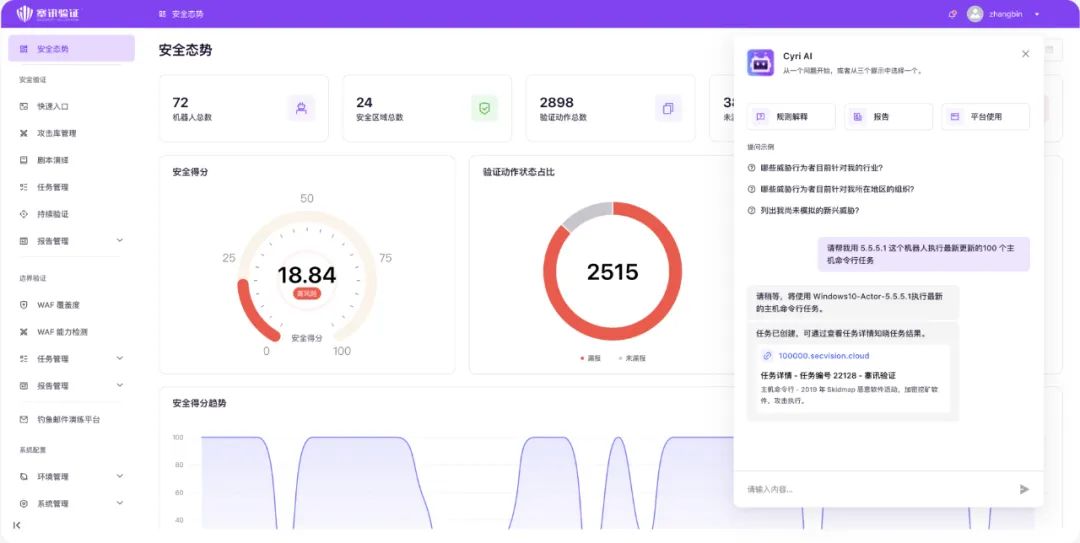
Instant Rule Q&A: During security validation, users may have questions about certain security rules. Through the chat window, users only need to type key questions, and the AI Copilot can provide real-time answers, helping users quickly understand rule details and avoiding delays caused by unfamiliarity with the rules.
Automated Report Generation: Once validation is complete, the AI Copilot can generate professional, intuitive validation reports with a single click in the chat window, supporting detailed data and visual analysis. Such automated generation not only saves time but also ensures the professionalism and accuracy of the reports, allowing security teams to focus on analyzing core security incidents.
Platform Operation Guidance: The platform is rich in features, and first-time users might find the operations somewhat difficult. The AI Copilot provides one-on-one operational guidance to help users easily get started, avoiding any impact on work efficiency due to a steep learning curve.
3. Hacker Prevention and Intelligence Updates: Building a Comprehensive Line of Defense
Intelligence Gathering and Dynamic Updates: Hackers' attack tactics evolve constantly, and enterprises must always remain sensitive to threat intelligence. Our AI-powered system gathers and updates IOC (Indicator of Compromise) intelligence in real-time, automatically incorporating them into the attack library for enterprises to validate their private threat intelligence bases, making it easy for businesses to check if their intelligence is accurate and comprehensive.
▌All the Questions You Care About Are Answered Here
Q1: Is this platform easy to use? Do I need other technical support?
A: The platform utilizes the SenXun Validation Security LLM and is extremely easy to operate. Users can get started quickly, minimizing the difficulty of use.
Q2: Apart from the points mentioned above, will there be any new AI feature updates in 2025?
A: SenXun Validation is always committed to improving security validation capabilities and continuously follows the latest industry developments. In 2025, we will continue to drive technological innovation and feature optimization on our platform to meet evolving defense demands.
AI-driven Dynamic Attack Derivation: AI can generate new dynamic attack behaviors based on existing attack patterns, simulating more complex attack scenarios. AI can automatically swap attack payloads, adopt multiple bypass techniques, etc., enabling enterprises to simulate more realistic attack scenarios during security validation, validate dynamic defense capabilities, and prepare defenses in advance.
Personalized Mitigation Recommendations: Addressing potential vulnerabilities discovered during the validation process, the AI will provide detailed mitigation recommendations and generate actionable localized defense rules. This helps enterprises quickly implement protective measures, forming a closed loop design from validation to remediation, significantly reducing the security team's workload while enhancing defensive capabilities.
▌Empowering Security Validation, Making Protection Smarter
Through AI empowerment, our platform will not only help enterprises significantly boost the efficiency and precision of security validation but also provide security teams with more efficient and intelligent work tools. In the future, we will continue to strengthen technological innovation and service optimization to help enterprises tackle increasingly complex cybersecurity challenges, working together to build a smarter, more secure network defense system.


